
The short answer
A wedding videographer usually creates a cinematic film with professional cameras, recorded audio, and a longer editing process. A wedding content creator captures vertical, phone-shot clips with an emphasis on candid moments, social-friendly formats, and quick delivery.
They are not interchangeable services. They can overlap in the moments they witness, but the way they record, edit, and deliver those moments is different. Many couples choose both because the finished pieces answer different needs.
How the filming style differs
Traditional wedding videography is designed around a finished film. A videographer may use several cameras, microphones, lighting, and stabilizing equipment to build a polished story with strong image and sound quality.
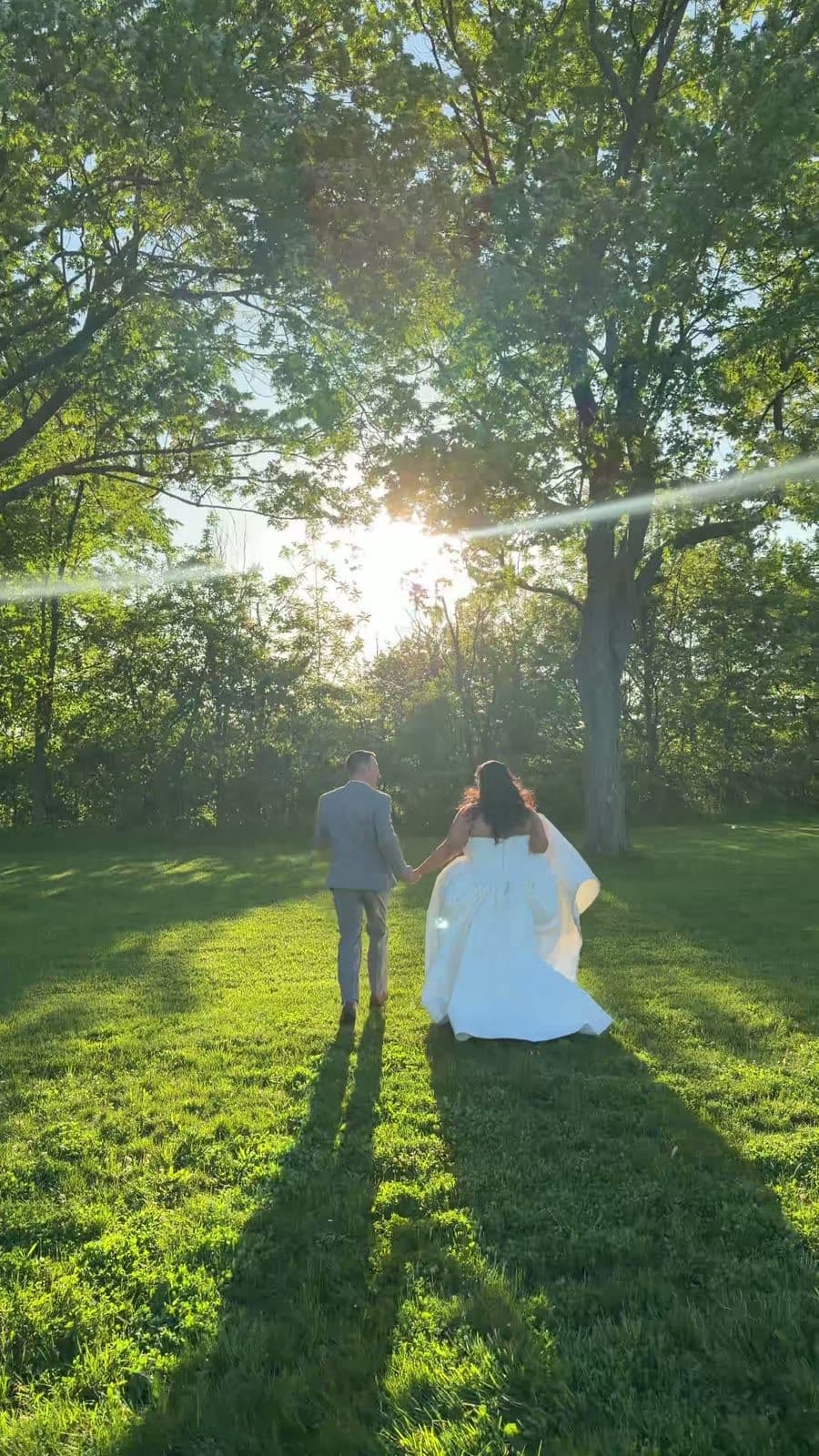
Wedding content creation is intentionally lighter. A phone can move easily through a room, stay close to the action, and capture the kind of perspective that feels familiar when viewed later. The result often feels like stepping back into the day rather than watching it from a distance.
How delivery and final files differ
A videographer’s finished film usually takes longer because it involves detailed editing, colour work, audio mixing, and a carefully built narrative. Timelines and deliverables vary by studio.
A content creator works toward immediacy. Created by Gabbs delivers candid content the next day, and selected packages include an edited reel. That quick turnaround lets couples relive reactions and share moments while the celebration still feels close.
Do you need both?
You do not need to choose the same answer as every other couple. If a cinematic film and professionally recorded ceremony audio are priorities, a videographer may be essential. If candid phone clips and next-day memories matter most, a content creator may be the right fit. If both forms of storytelling feel important, the services can work side by side.
Before booking, talk to each creative about the others on your team. Good collaboration begins with clear expectations about movement, ceremony positions, portrait time, and audio-sensitive moments.
- Ask to see a full wedding example, not only a highlight reel
- Confirm the delivery timeline and exact files included
- Share the full vendor list before the wedding
- Choose creators whose working styles feel compatible
Choose based on what you want to feel later
The most useful question is not which service is better. It is what you want to have when the wedding is over. A cinematic film, a candid library, professional ceremony audio, a next-day reel, or a combination of these can each preserve something different.
Start with the memories you care about, then build a team that can hold onto them without making the wedding feel staged.